[February 5 – 6, 2026]
On the second and third days in-country, we visited Fr. Alfred’s home village of Nyachera, in the Ntungamo District, Western Uganda.
This as rural as things come in Uganda. We stopped at their Wednesday Market:
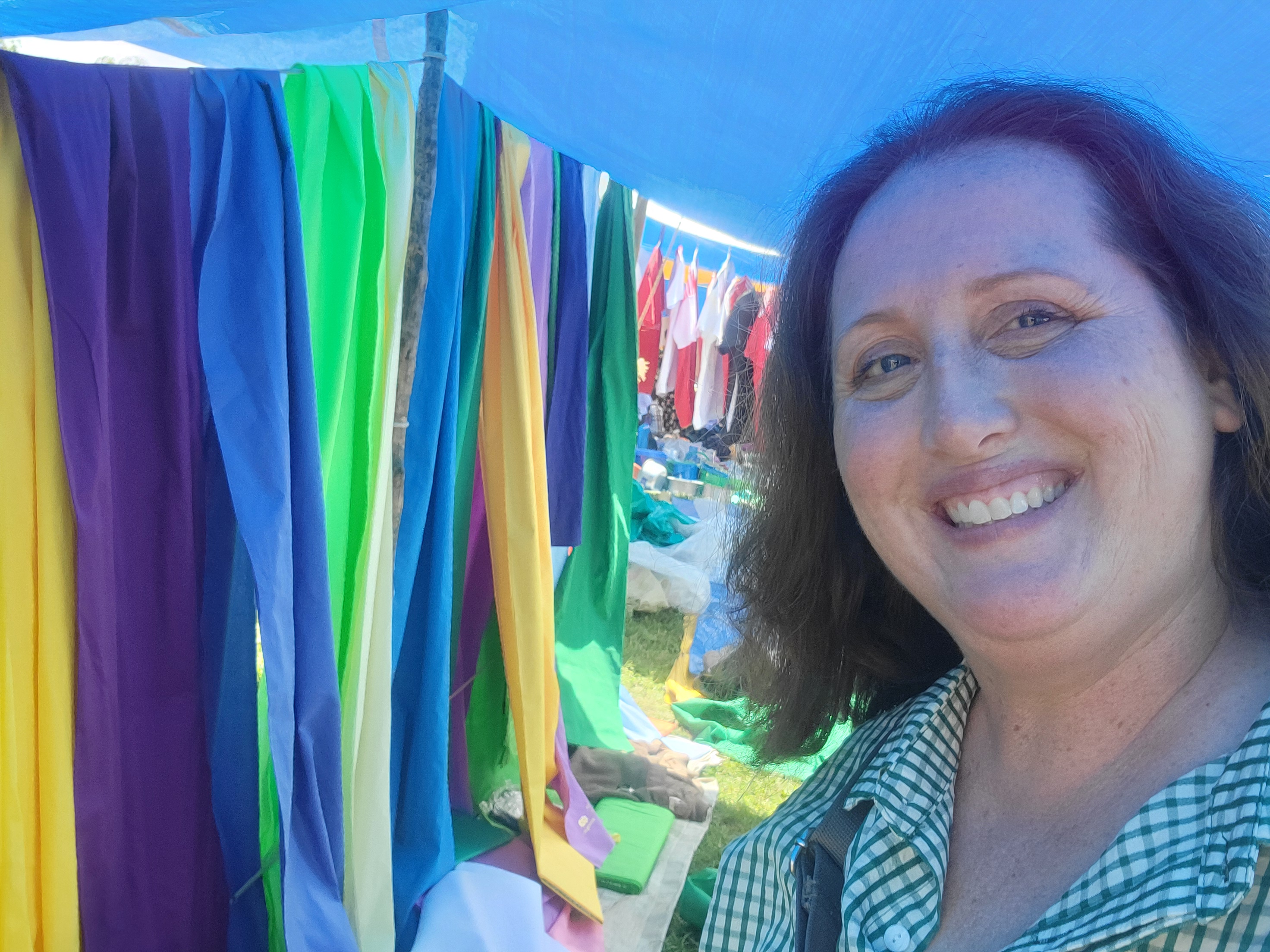
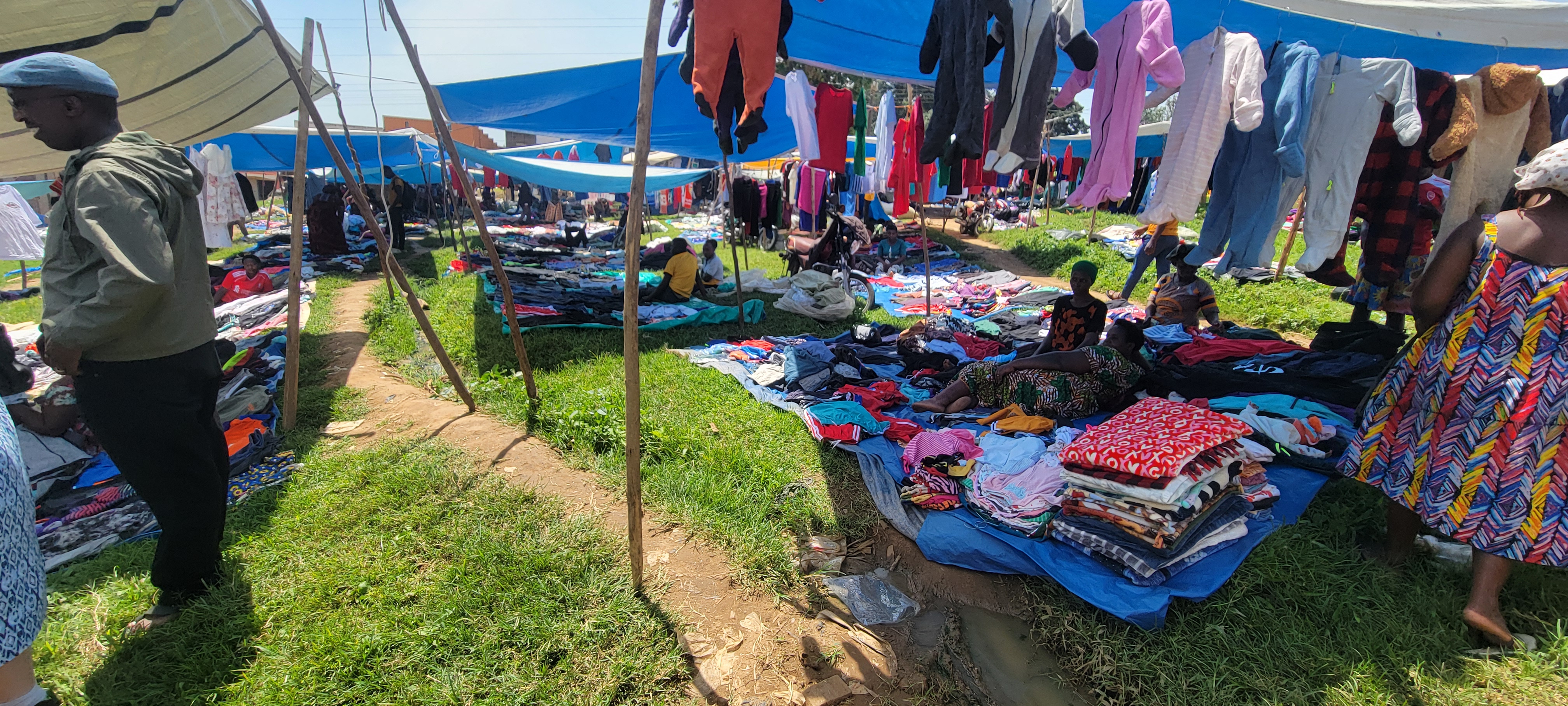
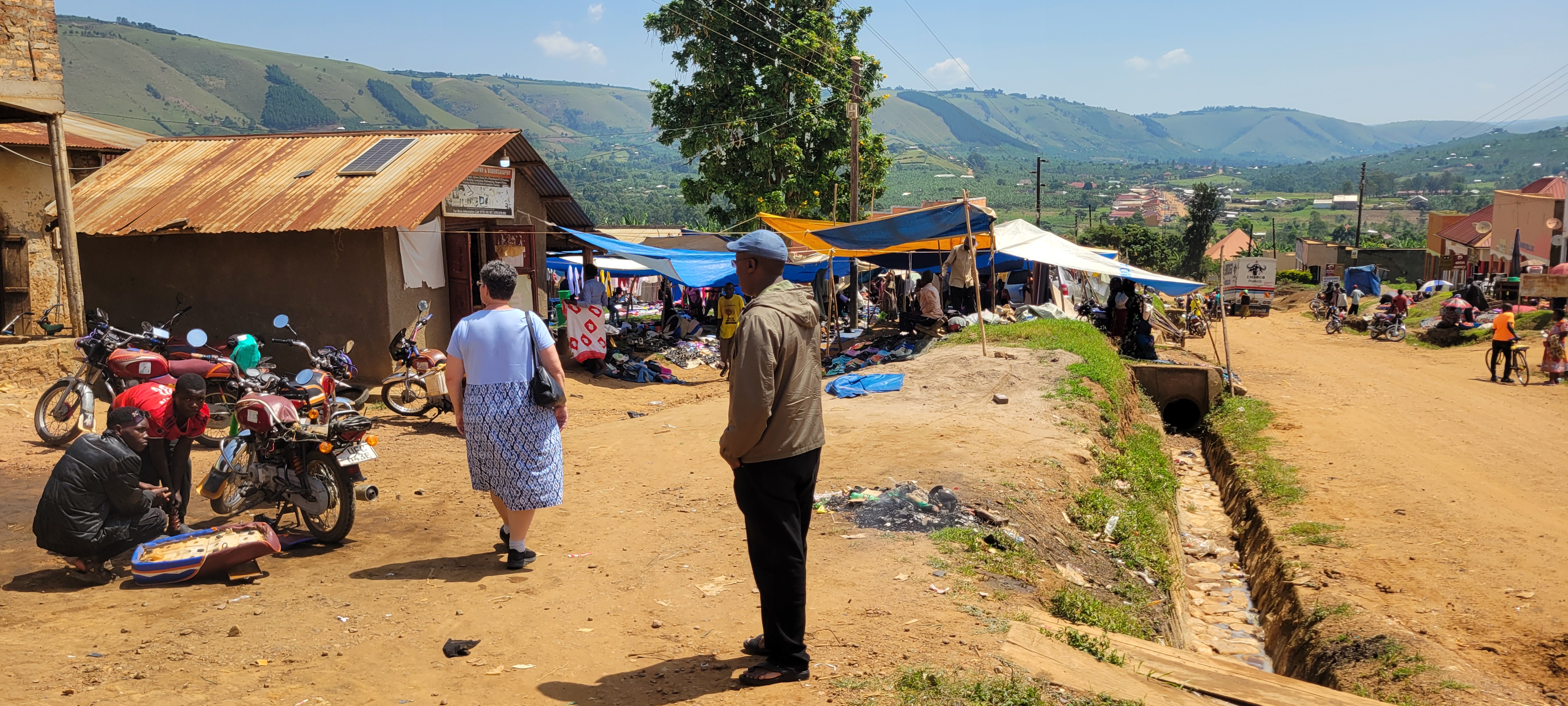
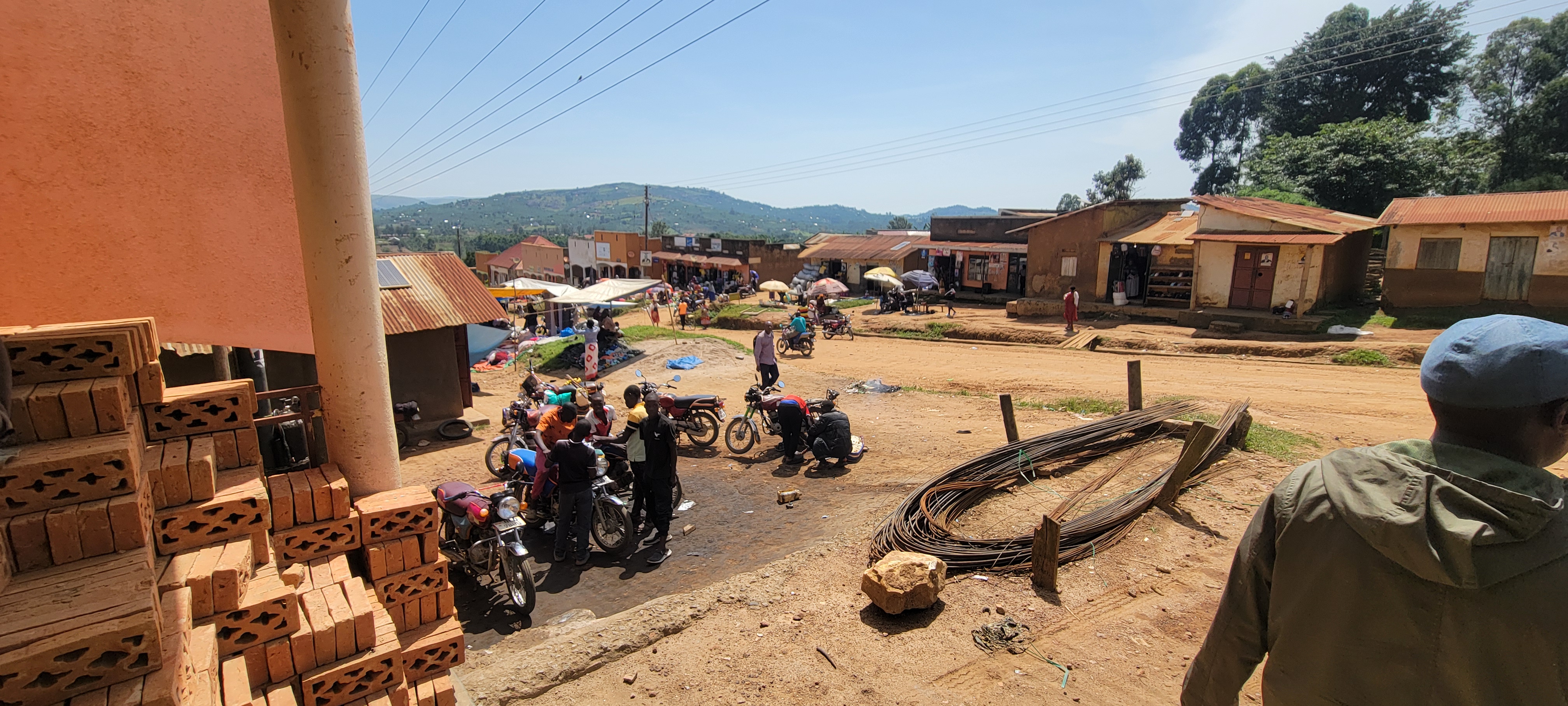
What these pictures do not show you is the assault of your other senses. As you walk around, you feel the hot sun on your skin, diesel exhaust envelops you, and wood smoke fills your lungs. You feel the energy of people staring (especially the children) and occasionally feel the hands and fingers of people that want to touch you. The smells are overwhelming: burning trash, burning wood from cook fires, animals, mud, sweaty bodies, nature. The sounds you hear are similarly powerful: fires crackling although it is 85 degrees, animals baying, babies crying, a tribal language resonating with thousands of years of history, boda bodas being revved and zipped down the dirt roads, and the word “Muzungu” (meaning “white woman”) repeated over and over with wonder and awe.
The experience was a lot to absorb, but it was spectacular.
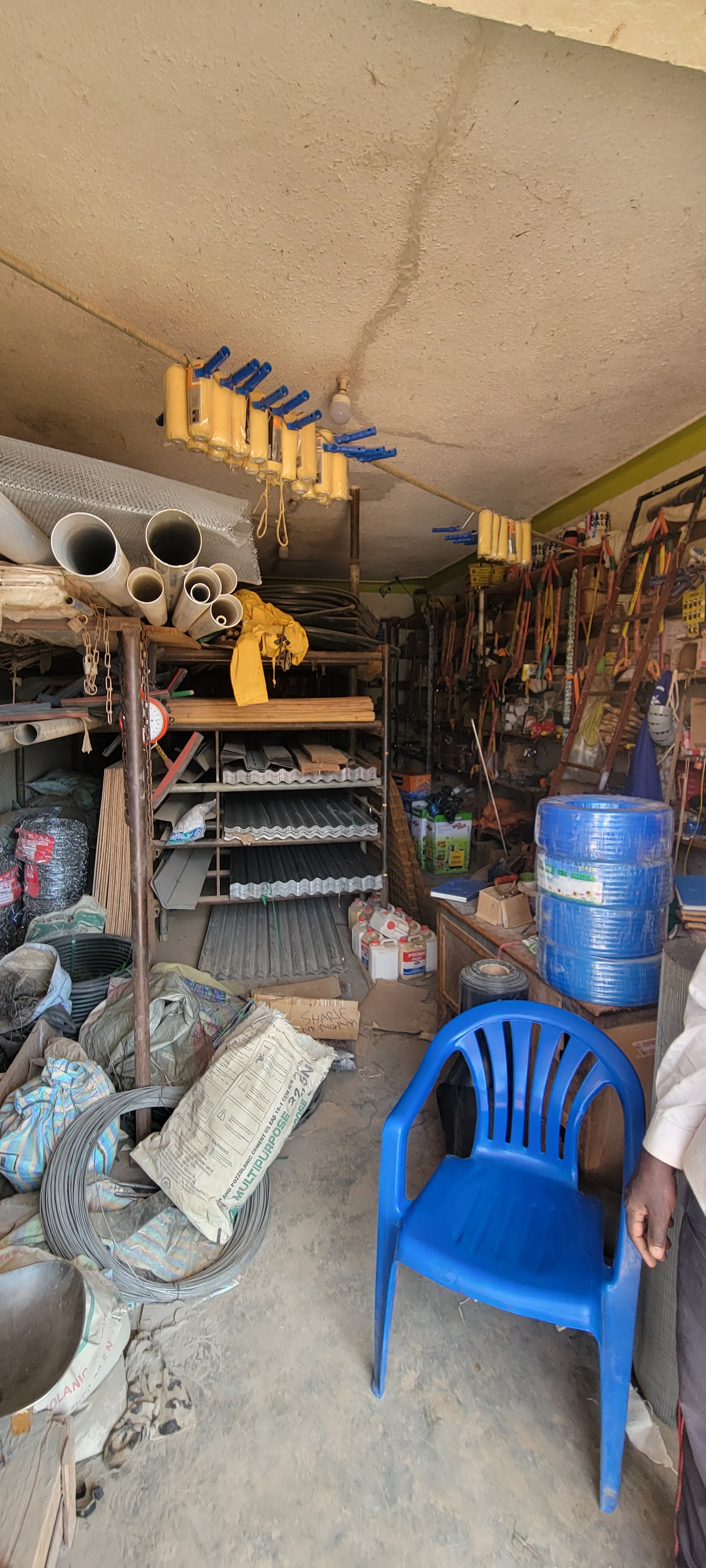
This is a photo of a rural Ugandan hardware store:
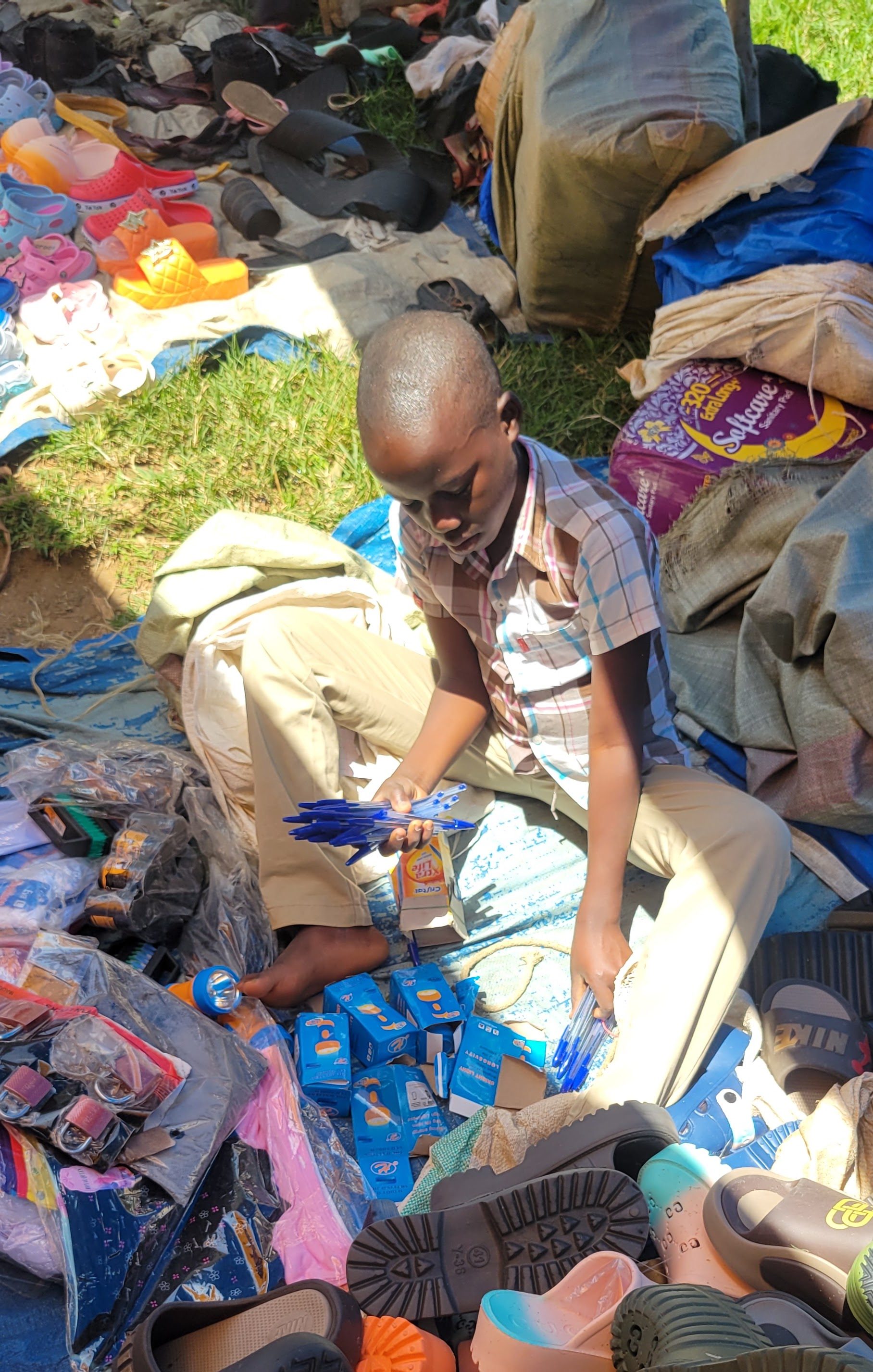
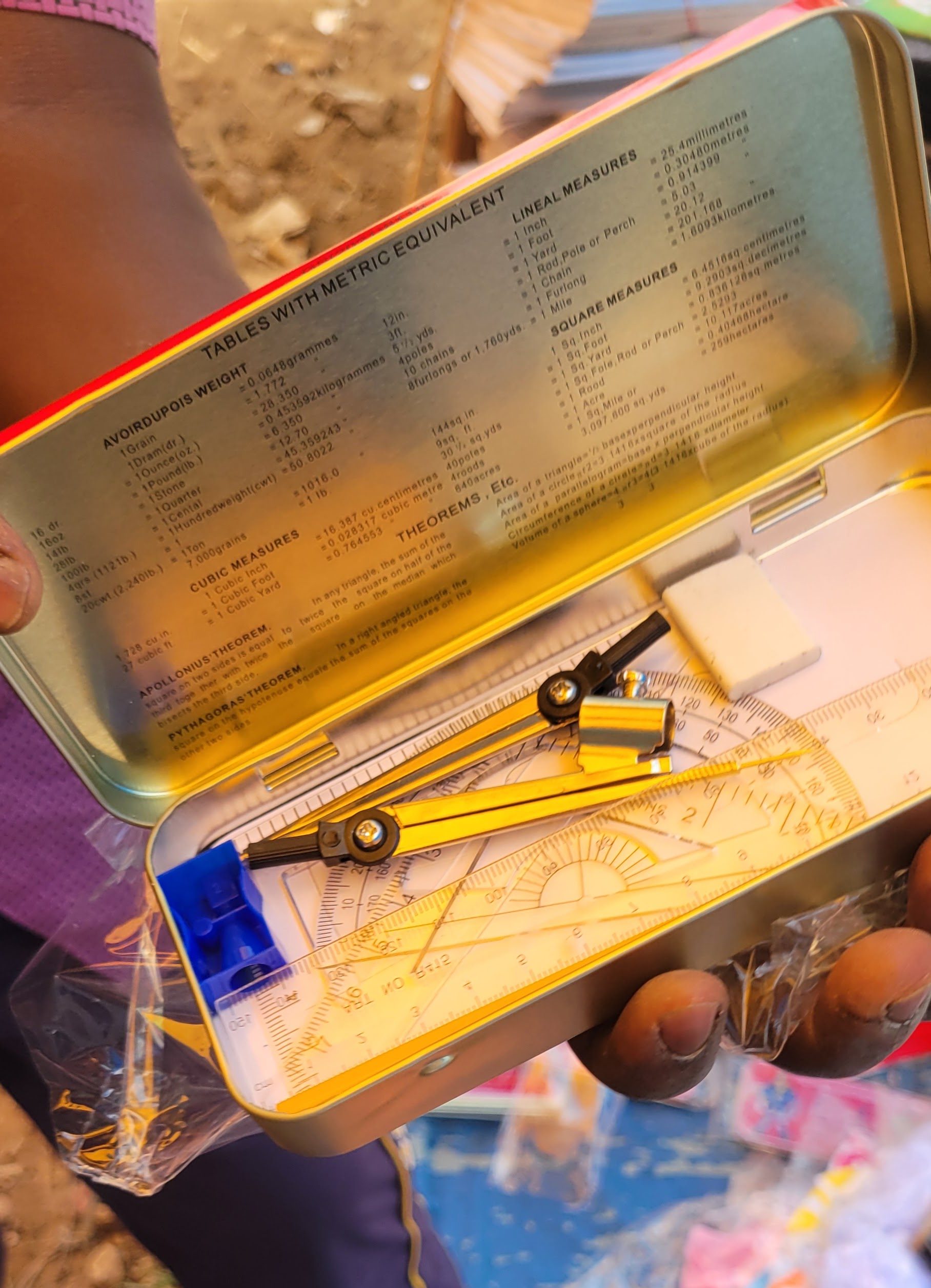
In the photos below, you can see the little boy selling school supplies at the market. Money from the GoFundMe I organized bought the St. Augustine 7th graders mandatory math/geography tools, pens, and pencils to use for their end of year exams. These items were cherished by the students and will be passed down to family members for future use.
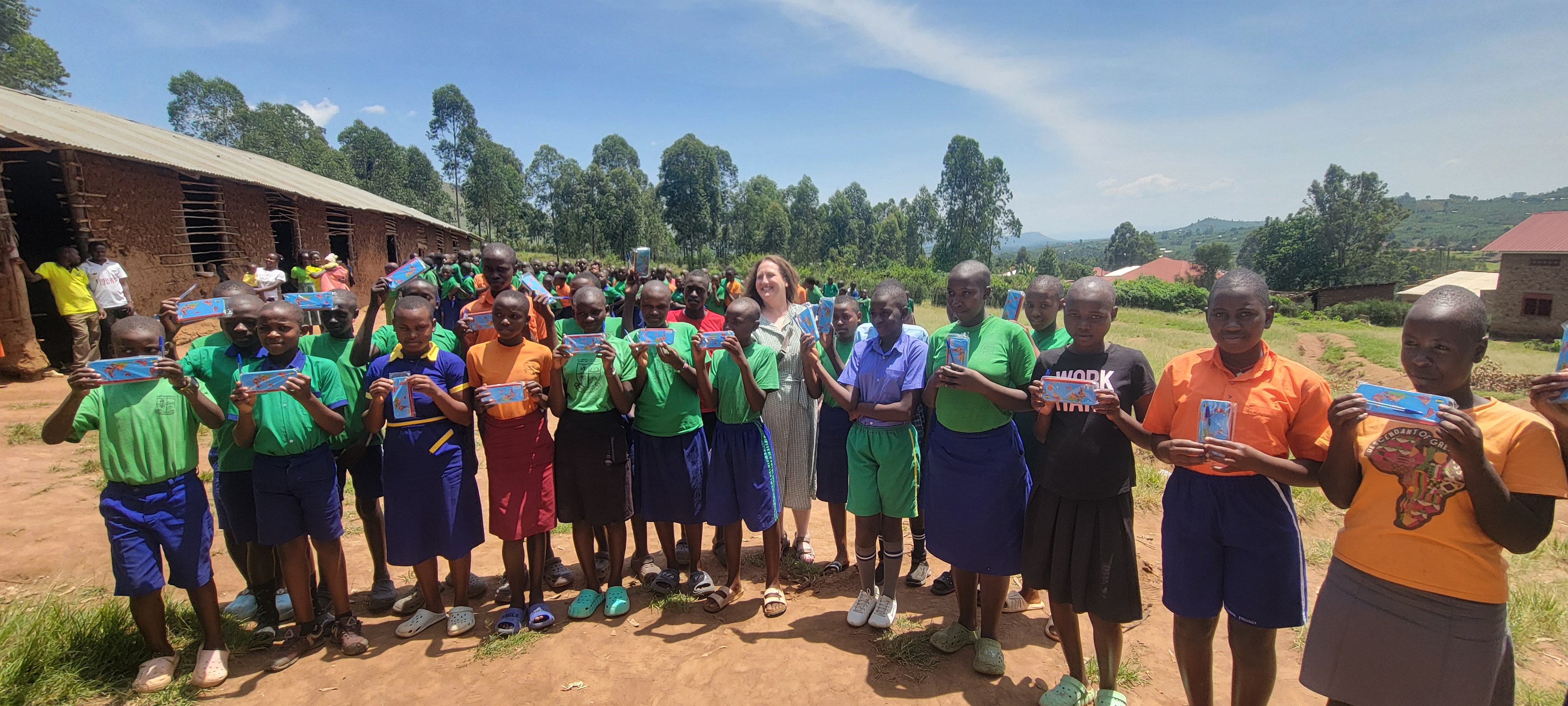
Students receiving their learning tools (you can see their school building behind them. More on that in a later post):
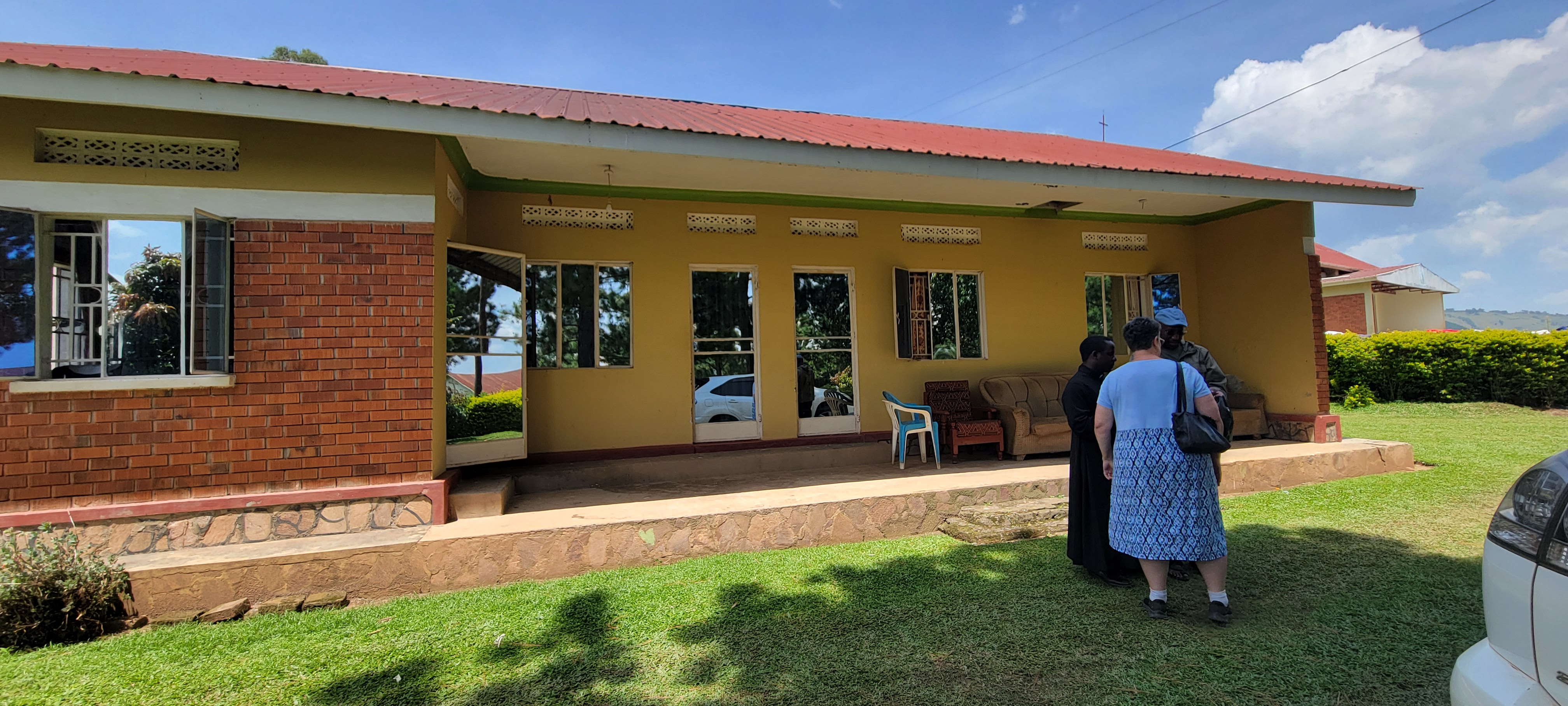
While in Nyachera, we lunched at the priests’ home, toured the grounds, and glimpsed a more personal view of the locals:
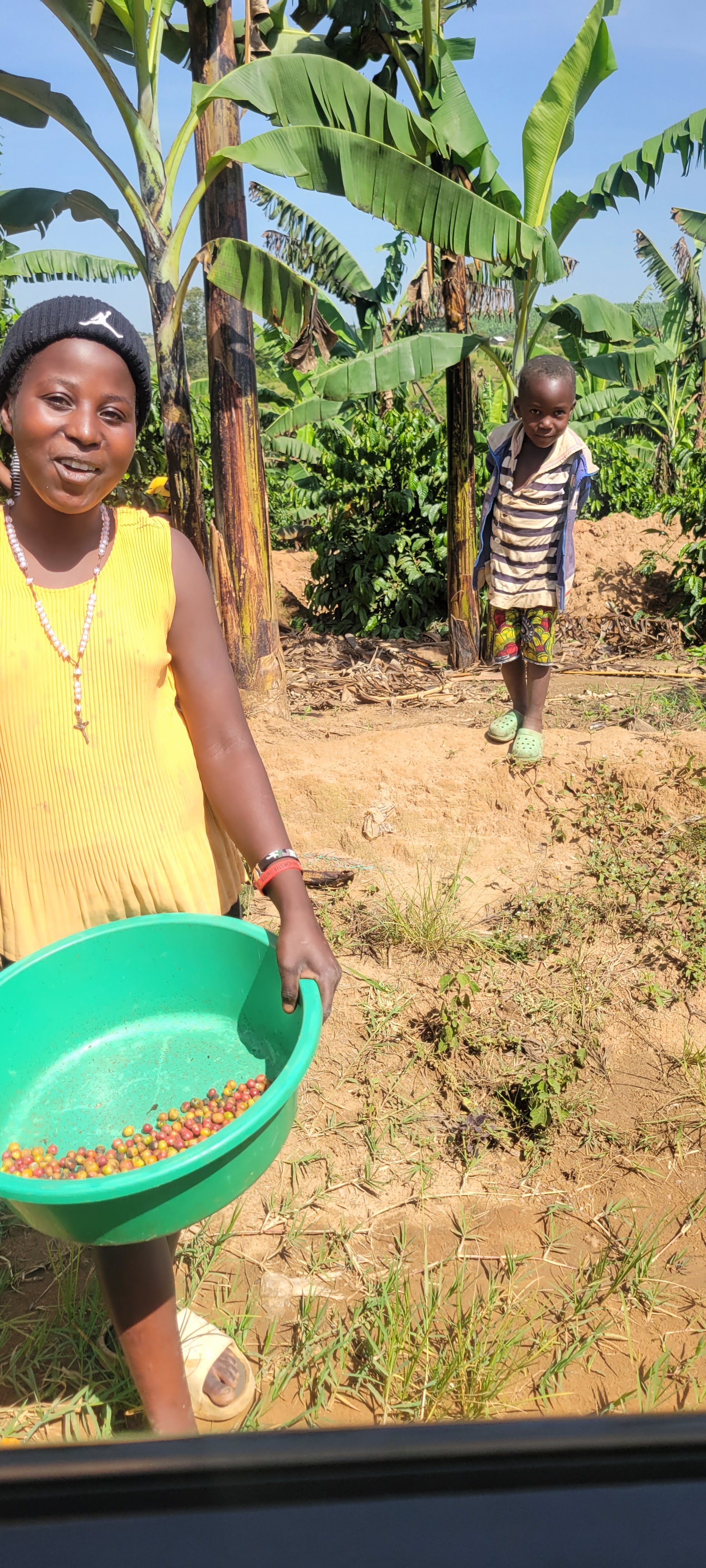
Bananas and robusta coffee are the largest crops in the area, and usually grow in alternating rows in the same field:
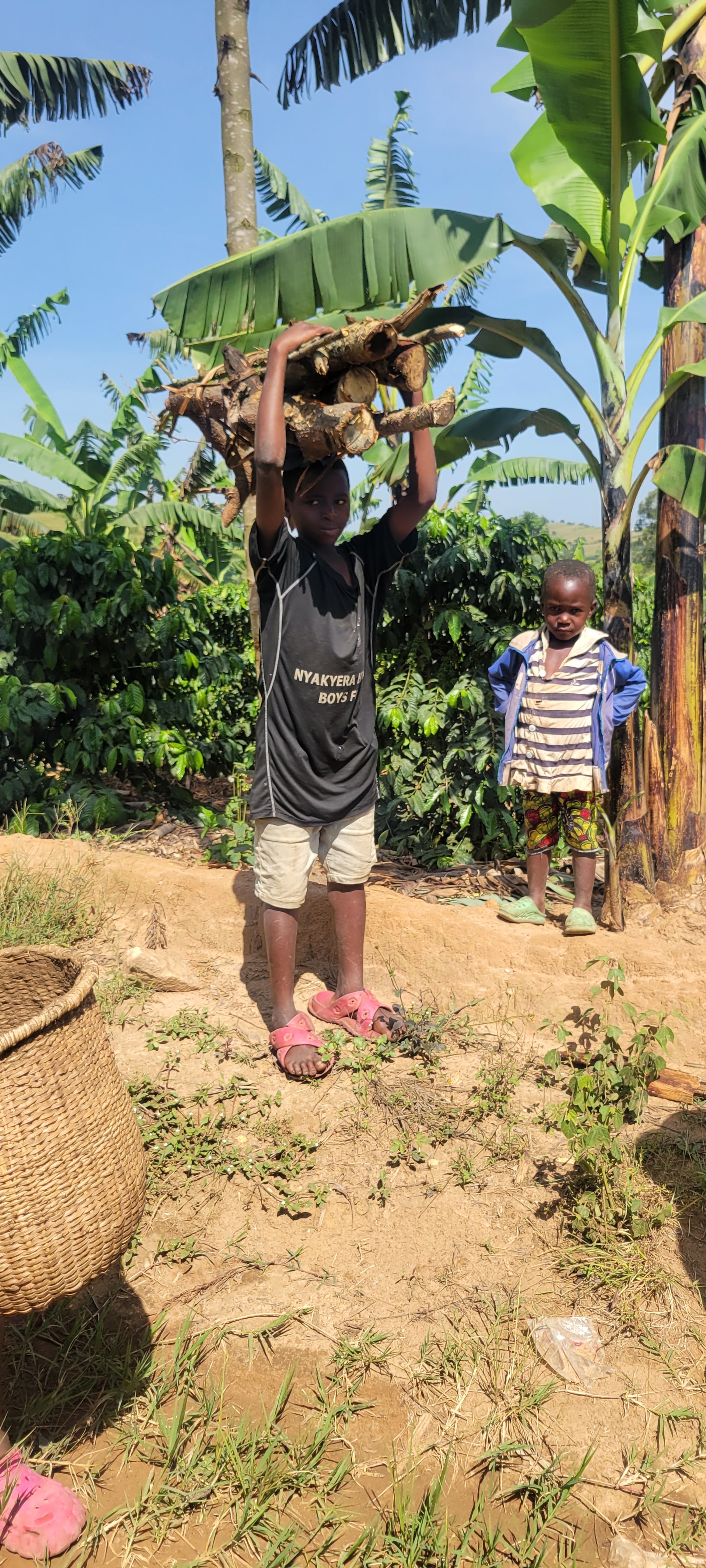
Children often forgo an education to make money for their families to survive:
Nyachera church:
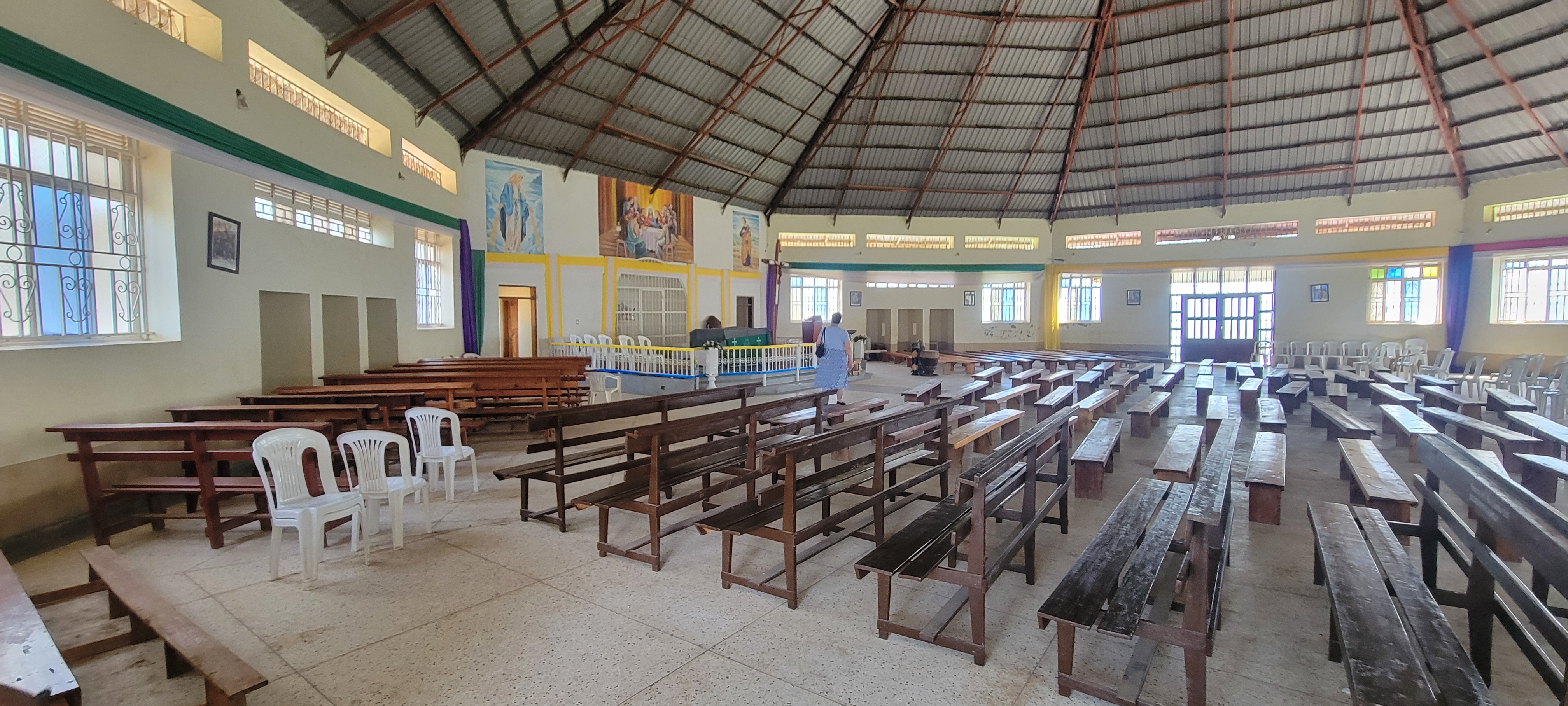
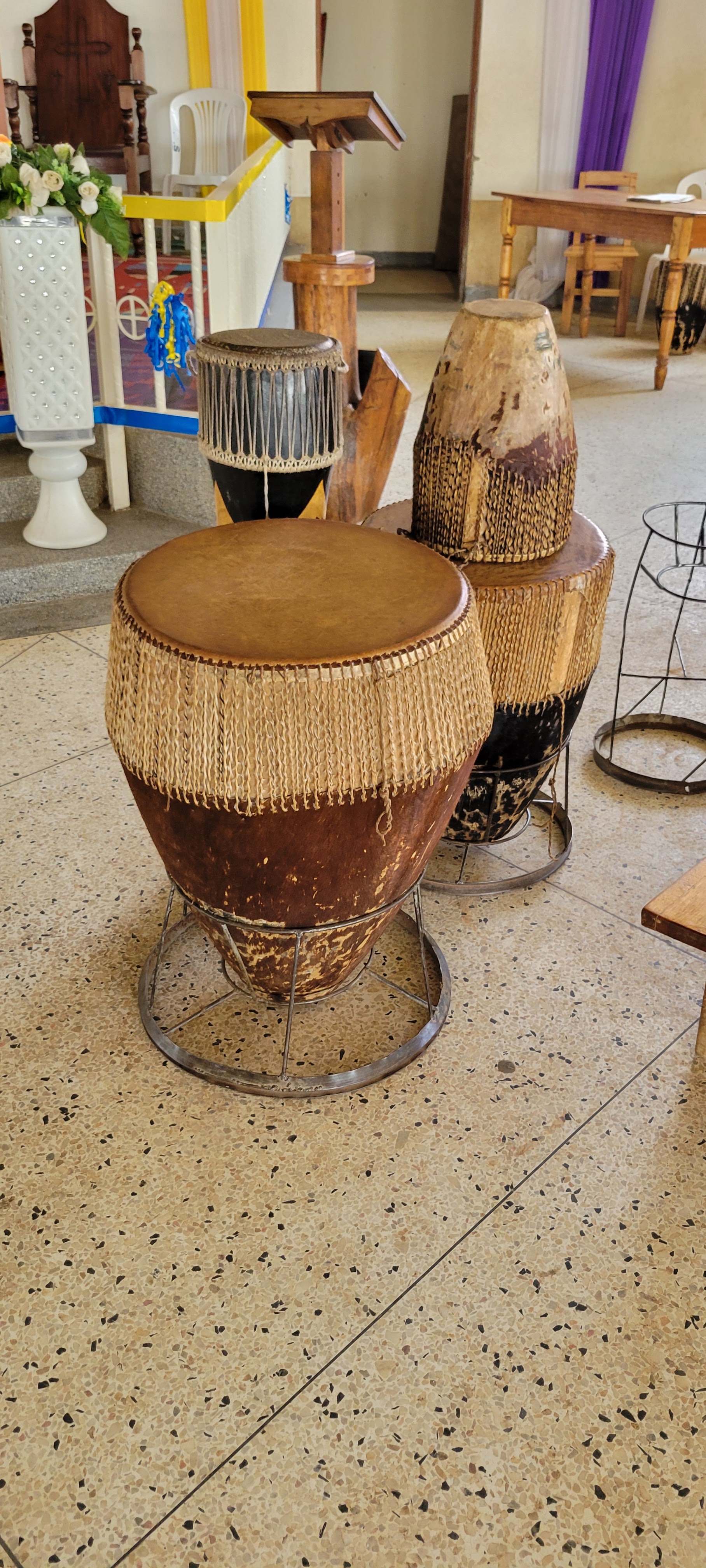
My internal dialogue in the moment I took the below picture: “Oh, wow! They have African drums in their church. Well, I guess here they’re just … drums.” The incorporation of the ancient African instrument with the Catholic church was fascinating.
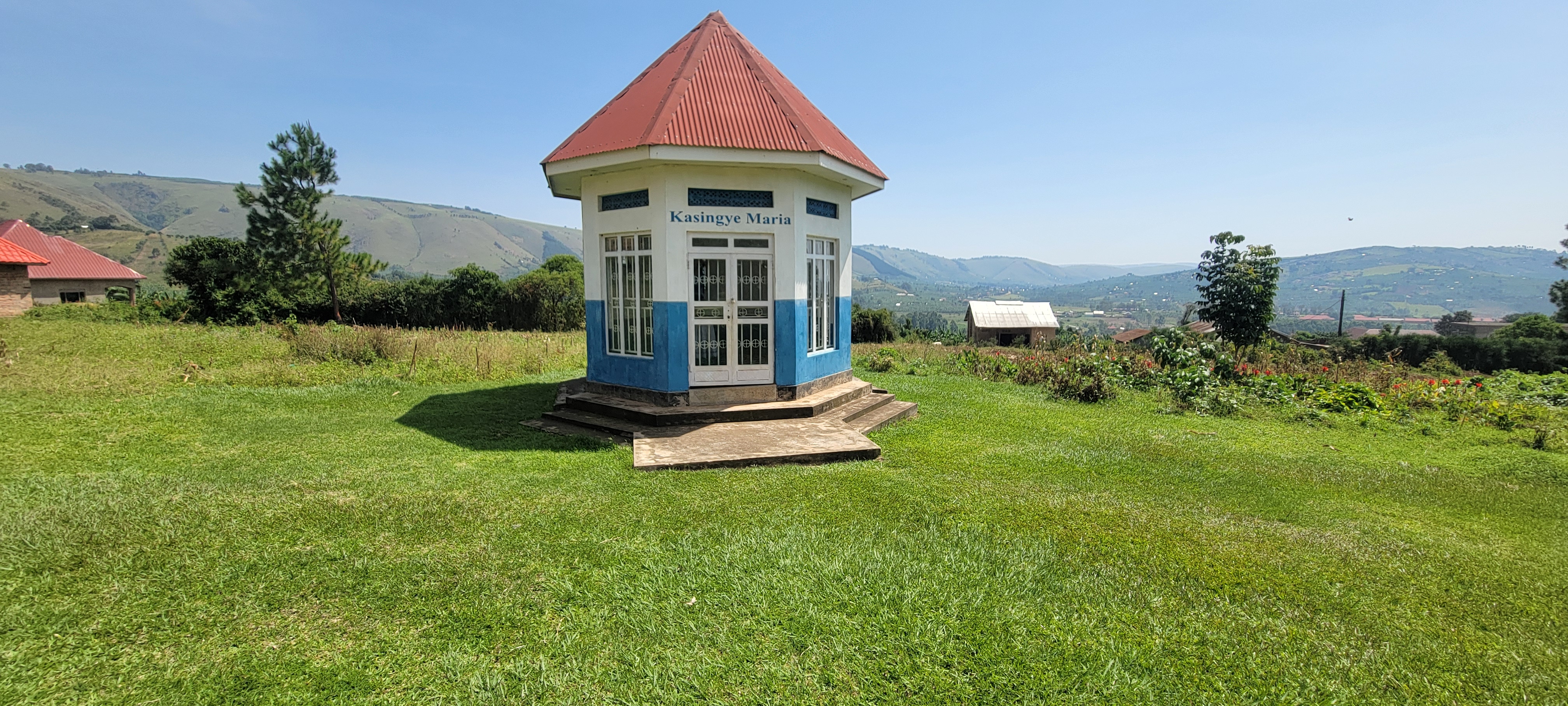
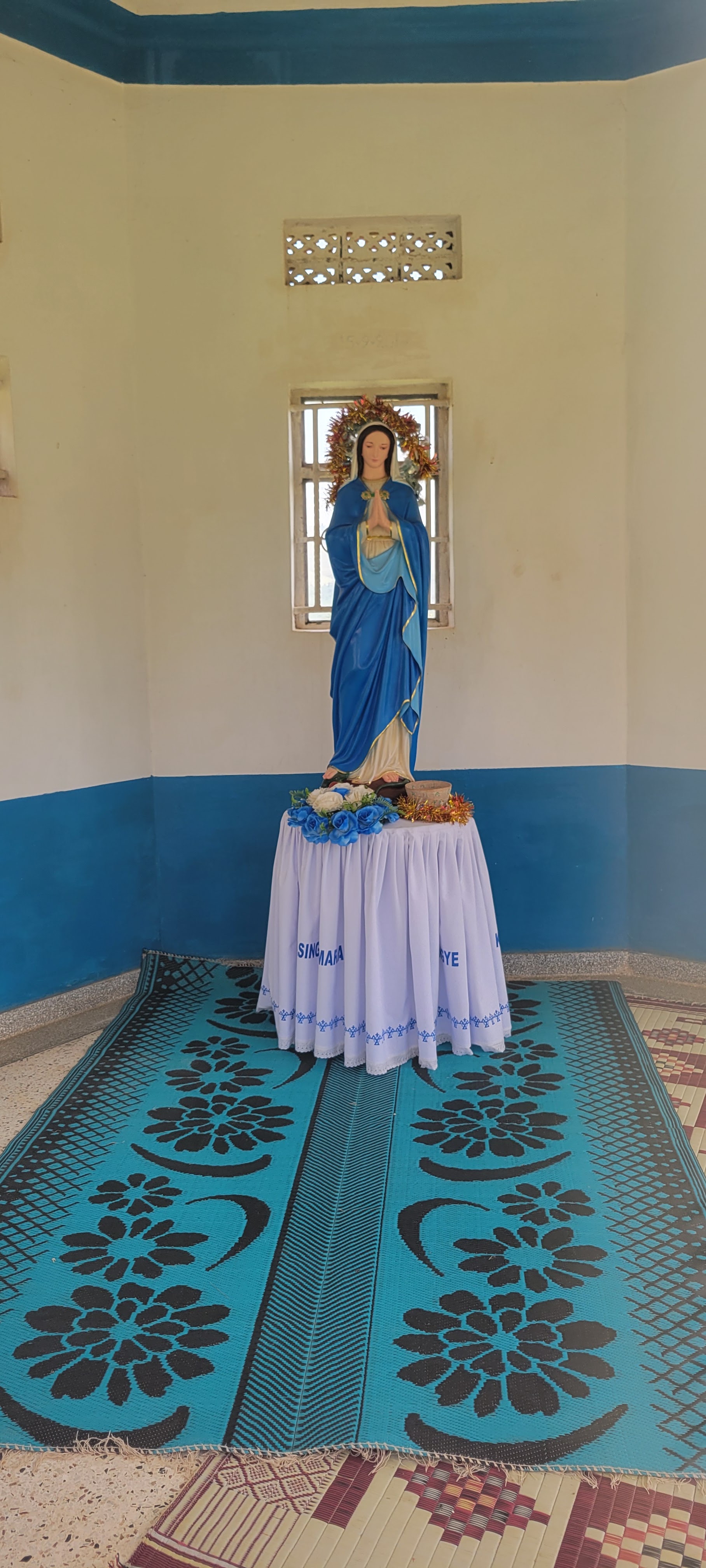
The Virgin Mary is important in Catholicism, but in Uganda they love her with a fervency. The feminist in me was pleased.
Much to Father Alfred’s distress, from the moment I arrived in country, I wanted to ride a boda boda. In Nyachera, I had the chance. One of our local guides during the trip was a seminarian named Criss. He was a reserved, thoughtful, kind, patient, curious man who viewed Cindy as a mother-figure and viewed me as a wild American woman with pale skin and weird hair.
After I threatened to hire a boda boda (remember, they are like taxis) and ride off into the Ugandan countryside with a stranger, Father Alfred arranged to have Seminarian Criss take me on a ride. Criss relocated his crate of chickens, and I climbed onto the boda boda, seating myself in the space that the chickens had occupied.
Off we went, the Muzungu and the Seminarian, on what amounted to a dirtbike, driving down a bumpy, muddy dirt road in a rural Ugandan village. Father Alfred, Cindy, and the chickens followed behind in the car, laughing at the reactions of the locals and my animated open-air conversations with Criss.
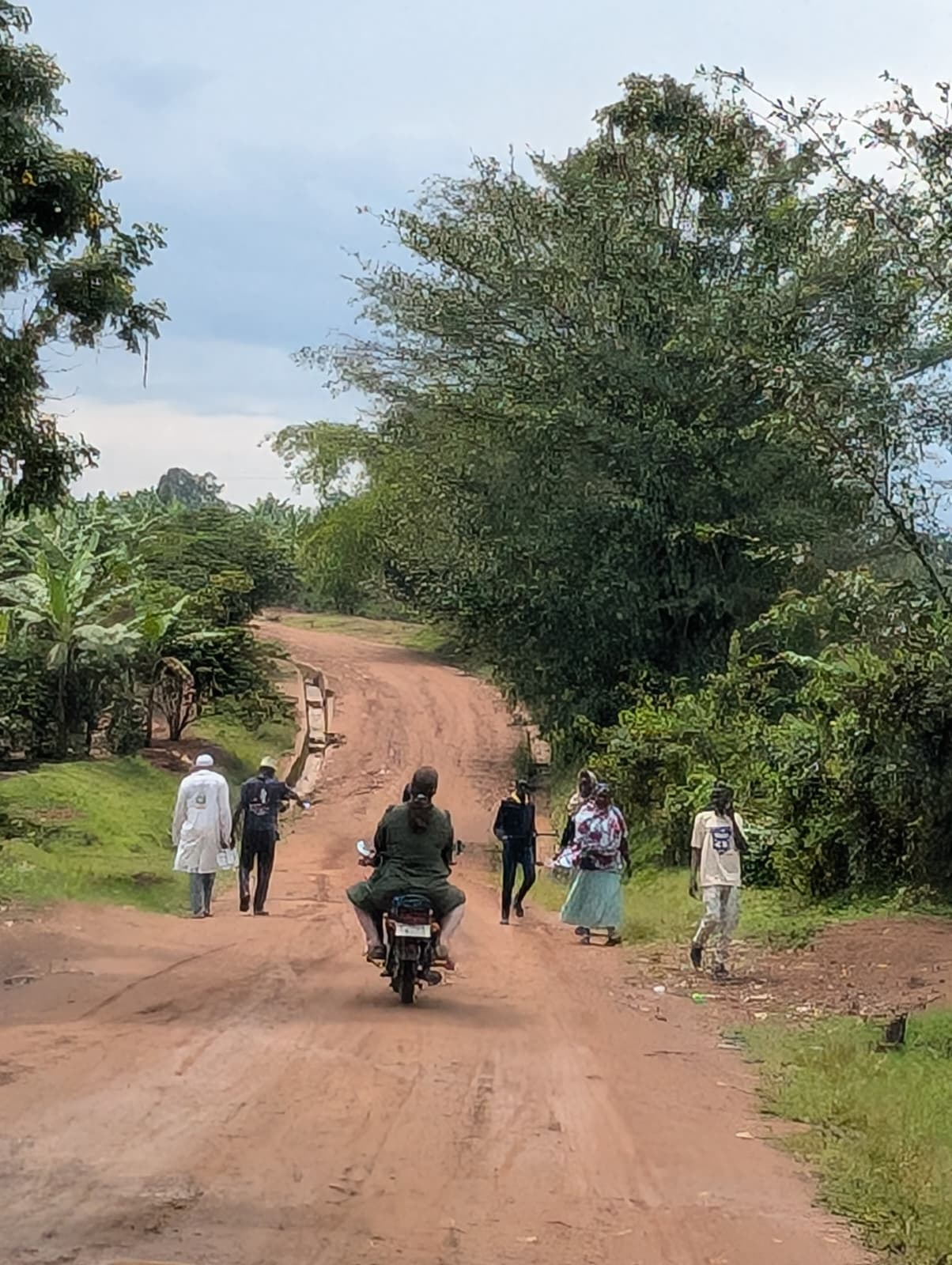
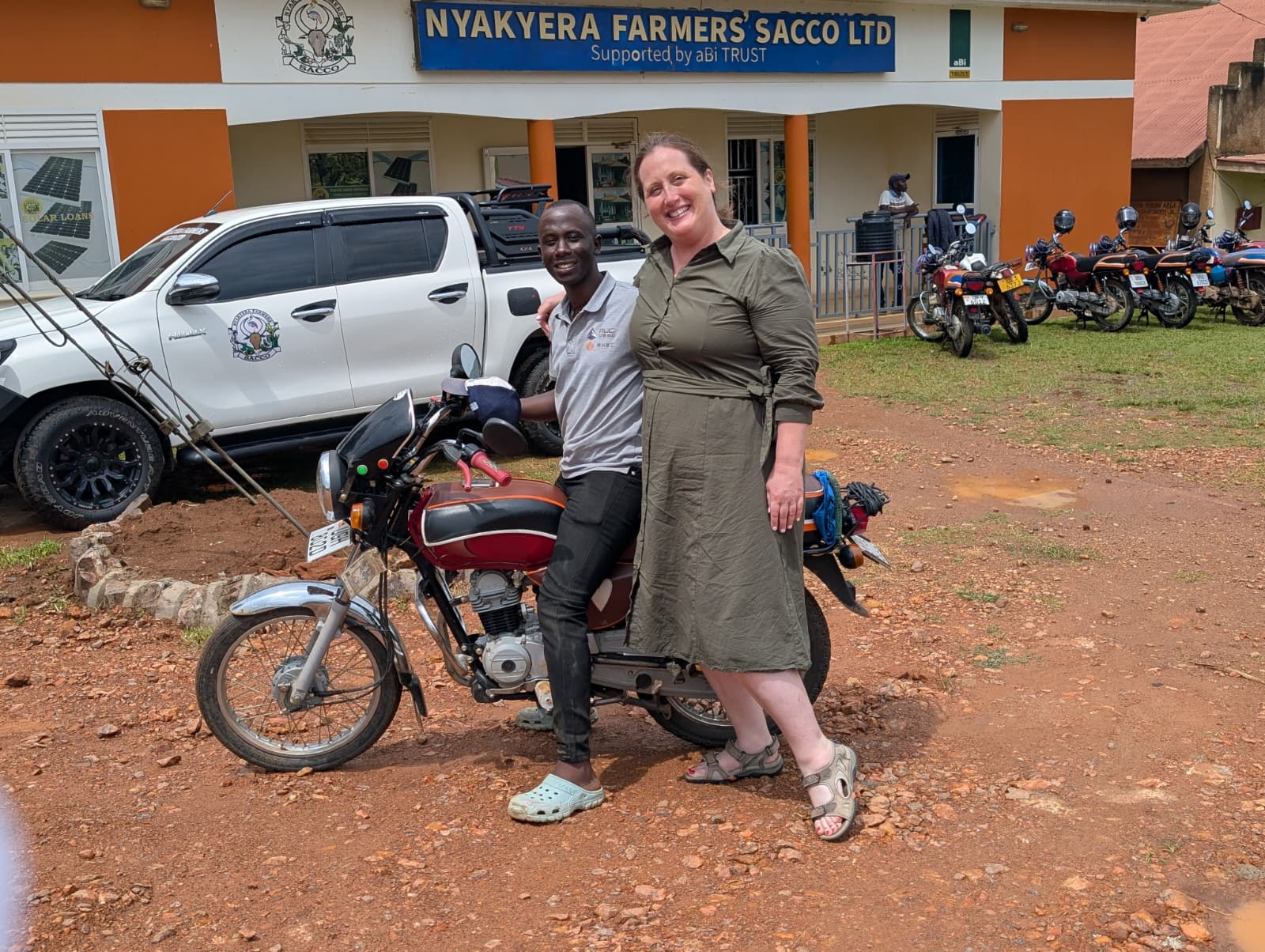
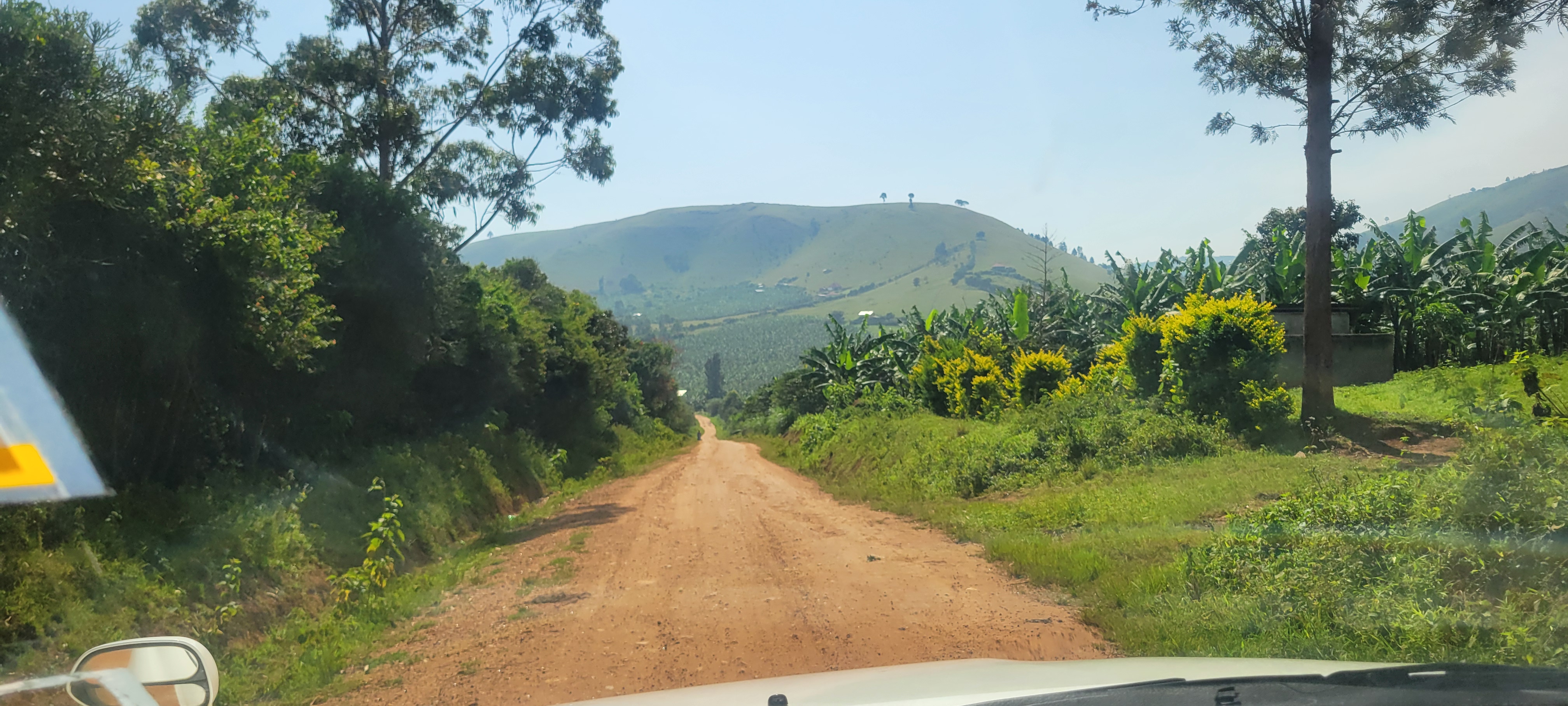
The Ugandan countryside from the back of that contraption was glorious. It is incredibly green and bright and beautiful. I asked Seminarian Criss if he knew the villagers and what they would think of him giving the Muzungu a boda boda ride. “Yes, I know all of them. And they will talk about this day for years to come. It is a memorable day. They cannot believe what they see.”


Leave a Reply